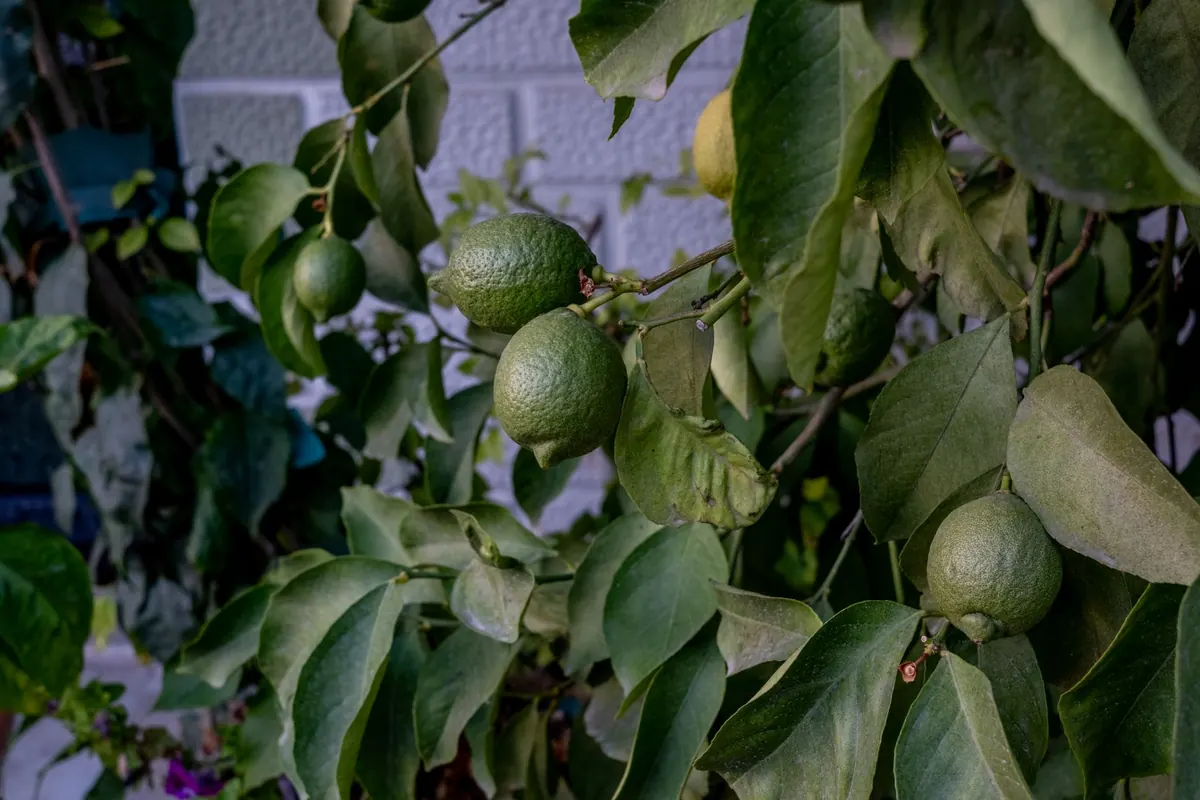
Growing a lemon on a balcony in Turin, Bergamo or Bologna is a small act of optimism. Winters here are not cruel by northern European standards, but they are long, damp and prone to sudden clear nights that drop well below freezing. Summers swing the other way: weeks of sticky heat, then a hailstorm. Citrus can handle all of it in a pot, provided you get four things right — the variety, the pot, the sun and the winter. Everything else is tinkering.
Start with a citrus that forgives
Most beginners buy a lemon because they want lemons, and that is fine. Just choose the right one. A Meyer lemon is the usual first purchase and it earns the reputation: thinner-skinned, slightly sweeter fruit, and noticeably more tolerant of cold than a true lemon. If your balcony faces north or you sit in a frost pocket at the foot of the Alps, look instead at a kumquat, a calamondin or a yuzu. These are the plants that shrug off a bad February.
Be realistic about the fussier ones. Sweet oranges, grapefruit and true limes want more heat over a longer season, and limes in particular sulk below about 5°C. They can be grown here, but not casually.
One detail worth asking about at the nursery: whether the plant is grafted, and onto what. A citrus grafted onto a hardy trifoliate rootstock — Flying Dragon is the dwarfing, cold-tolerant classic — gives you a tougher root system and a plant that stays manageable in a container. A cutting-grown plant is not wrong, just less forgiving. Ask, and buy from a grower who can tell you.
The pot: bigger is not automatically better
The temptation is to buy a small tree and plant it straight into a handsome half-barrel. Resist. A huge pot around a small root ball holds a lot of wet compost that the roots never reach, and in a cool, damp northern spring that compost stays soggy for weeks. Sour soil is how beginners kill citrus.
Aim for a pot roughly 30–35cm across for a young plant, and 40–50cm for its final home. Increase size one step at a time, by two to four centimetres of diameter, when you repot.
Material matters less than drainage, but it does change how you water. Terracotta breathes and looks right against a stone wall; it is also heavy and dries out fast in July. Plastic is light and holds moisture longer — kind in summer, risky in winter. On a hot, bright balcony, a pale plastic pot reflects heat and keeps the roots cooler than a dark one.
Whatever you choose, it needs a drainage hole, and it needs to stand on feet. Water must run out freely and never pool underneath.
If you take one habit from this guide, take this one: no citrus sits in a saucer of standing water. Empty the saucer an hour after watering, every time.
Sun: find your brightest wall
Citrus is a sun plant. Six hours of direct light is the minimum for decent growth; eight is better, and the difference shows in flower count the following spring. A south- or south-west-facing wall is the best real estate on any northern Italian balcony, and a pale wall behind it is a bonus — it bounces light back and releases warmth after sunset.
There is a limit, though. In the peak of July, a pot pressed against a sun-baked wall can cook. If leaves start to pale or curl at midday, pull the plant half a metre out from the wall rather than moving it into shade. A shade cloth over the hottest fortnight is a reasonable compromise.
Deep, all-day shade is the one thing you cannot fix with good care. If that is all you have, choose a kumquat and lower your expectations for fruit.
Watering, which is where most beginners go wrong
Citrus likes a soak and then a breath of air. Water until it runs out of the base, then wait until the top two or three centimetres of compost are dry before doing it again. In a heatwave that can mean every day for a small pot; in October it can mean every ten days.
Two reliable checks: push a finger in up to the knuckle, and lift the pot. A pot that feels unexpectedly light is telling you something.
- Summer: water deeply, ideally in the morning, so foliage dries before evening.
- Winter: cut right back — once every two to three weeks is often enough, and only when the compost is nearly dry.
- Always: use water at room temperature, not straight from a cold outside tap onto a chilled root ball.
- Never: water on a schedule. Water on evidence.
Yellowing leaves and dropping foliage in December are usually a sign of too much water in cool, low-light conditions, not too little. Reduce the watering and check that the pot is not sitting in a puddle.
Winter protection that actually works
Know your local minimum before you plan. Sheltered lakeside gardens around Garda and Maggiore rarely dip far below freezing, while open ground in the Po Valley can see −8°C or lower on a clear January night. Most citrus foliage is damaged somewhere around −3 to −5°C, and fruit suffers sooner than leaves.
There are three workable strategies, and the best one depends on how much space and light you have:
- Sheltered outdoor spot. A south-facing wall, the pot wrapped in bubble wrap or a jacket of horticultural fleece, and a fleece cover thrown over the canopy on the coldest nights only. Fine for mild districts and hardy varieties.
- Unheated indoor space. A garage with a window, a glazed balcony, an unheated conservatory or a cool porch. This is the most reliable option in cold inland areas. Light matters: a dark cellar for four months will cost you the plant.
- Cold greenhouse or polytunnel. Excellent if you have one, as long as you ventilate on sunny winter days and do not let it bake.
Protect the roots as carefully as the leaves. Cold comes up through the pot as much as down from the sky, so raise containers off freezing paving and insulate the sides. Bring plants in before the first hard frost — late October to mid-November, depending on your valley — and do not rush them back out. Wait until the risk of frost has genuinely passed, usually mid to late April.
Then harden them off over a week or two: out during the day, back in at night, then out full time. Going straight from a dim garage to full April sun scorches leaves that have not seen real light since autumn.
Feeding, repotting and small upkeep
Feed with a citrus fertiliser from March until early September, following the dose on the pack, and stop over winter. Repot every two to three years in early spring, into a pot one size up, teasing out the outer roots but leaving the central ball intact. In between, scrape off the top few centimetres of old compost and replace it with fresh.
Prune lightly in late winter — remove crossing branches and any vigorous shoots growing from below the graft. Check the undersides of leaves now and then for scale and spider mite; a wipe with a damp cloth and better air circulation usually settles the first, while mites prefer dry indoor air in winter.
Your first year, in order
Buy in spring, not autumn, so the plant has a full season to establish before its first winter indoors. Pot it, water it, put it against your sunniest wall, and leave it alone for a fortnight. Feed from the second month.
Through summer, water by feel and watch for scorch. In September, stop feeding and start planning where the plant will spend the cold months — decide now, not on the night the forecast turns. Move it in before the first hard frost, water sparingly all winter, and check the leaves once a week.
Then wait. Citrus is slow to reward you: a young Meyer may give you a handful of lemons in its second or third year, and more once the roots fill the pot. In the meantime, you have a glossy evergreen on the balcony, fragrant blossom in spring, and a decent reason to keep an eye on the weather forecast — which, in Northern Italy, you were doing anyway.