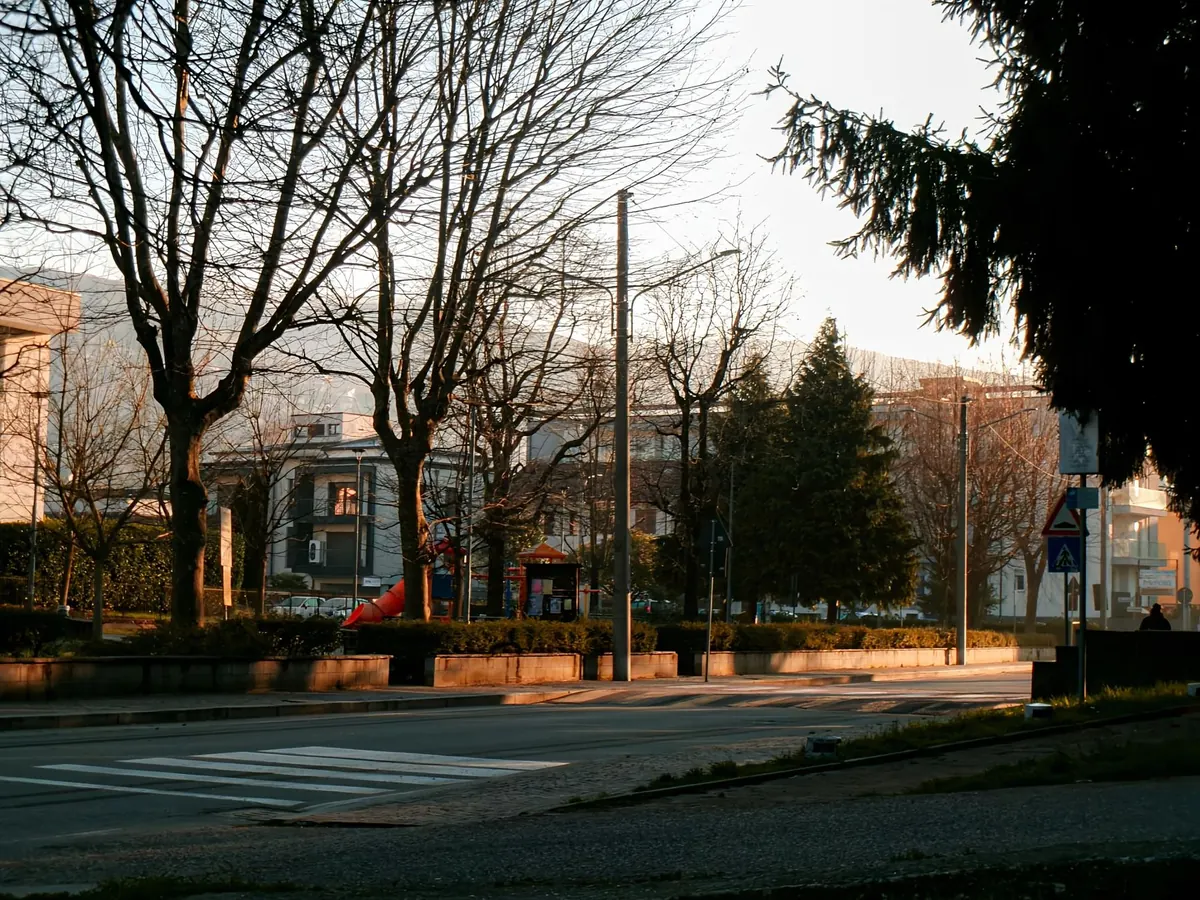
Italy in July is easy to picture: hot stone squares, packed beaches, a long queue outside the Uffizi. Italy in late April or early October is harder to imagine if you have never been. The light is softer, the evenings need a sleeve, and the same square has room to breathe. Shoulder season is not a secret trick, though. It is a trade-off, and it helps to know exactly what you are trading.
What “Shoulder Season” Means in Italy
In practice, Italy has two shoulder seasons: spring, roughly late March through May, and autumn, from late September into November. Neither is a single experience. A wet week in Bolzano is not a mild week in Palermo. Coastal towns and mountain villages also change pace at different speeds. So compare by place and month, not by the season label alone. Late April in Rome, for example, is a different proposition from late April in the Dolomites, where high trails may still hold snow.
Weather: Gentler Than Summer, Less Predictable
Summer in Italy can be wonderful, but it is also hot, especially in cities and the south. You may find yourself planning the day around shade, fountains and air-conditioned museums. Shoulder season usually brings milder temperatures, which makes walking and sightseeing easier. It also brings more rain. Spring showers can interrupt a week, and autumn can turn cool and wet, particularly in the north and along the Adriatic.
September often feels like a softer version of summer, especially in the south and on the islands. October is mixed: warm days are still possible, but evenings cool down and rain becomes more likely. November is quieter and cheaper, though it can be grey and damp. Spring is similar in reverse: March is unsettled, April and May are often lovely but not guaranteed, and mountain weather can change quickly. Pack layers, a waterproof jacket and shoes you can walk in. Keep one indoor plan for each outdoor day.
Prices: Real Savings on Beds and Flights, With Caveats
Outside the July and August peak, accommodation rates usually soften, and flights are often cheaper when you avoid school holidays and weekends. Midweek travel can make a noticeable difference. Car rental may also cost less, though the choice of vehicles can be narrower in small towns. The savings are not uniform. Easter, long weekends and major events can push prices up sharply, and a sunny October weekend on the coast can cost more than a rainy Tuesday in the same hotel.
Food and transport do not always follow the same pattern. Some restaurants keep the same prices year-round; others run shorter menus or close entirely. Ferries and local buses may run less often, which can affect your budget if you are island-hopping or relying on public transport. Treat any quote as a starting point, check cancellation terms before you commit, and if you are spending a significant sum, take professional advice on insurance where it matters.
Crowds: Quieter, But Not Empty
The biggest gain in shoulder season is space. In summer, Italy’s headline sights fill early. In spring and autumn, you can often book popular museums a few days ahead rather than weeks ahead, and you may walk into a trattoria without a reservation. That said, shoulder season has its own busy moments: Easter week, May long weekends, harvest festivals and the first crisp weekends of October. Venice can still feel crowded on a sunny autumn Saturday, and the Cinque Terre trails can be busy in May.
Use the quieter months to your advantage, but do not assume emptiness. Book the handful of sights that matter most, go early or late in the day, and leave room for the small towns and lesser-known museums that rarely have a queue. If you want the Amalfi Coast or Lake Como without the summer crush, late September is often a good compromise: still lively, but less frantic.
Opening Hours and Closures: The Detail That Catches People Out
This is where shoulder season demands homework. Coastal resorts, seasonal hotels and beach clubs often close from late October until Easter, and some restaurants in holiday towns shut for the winter. In mountain areas, lifts and high-altitude huts may close between summer and winter seasons. Island ferries may switch to a reduced timetable. City museums and galleries generally stay open, but some reduce their hours in low season, close on certain weekdays, or shut individual rooms for maintenance.
Check official websites rather than relying on a guidebook or a map listing. Confirm last entry times, not just opening hours, and call ahead for rural restaurants and family-run hotels. If a place is central to your trip, build in a backup. A little verification saves a long drive to a closed trattoria or a missed ferry.
How to Choose Your Window
Match the season to the trip you actually want, not the postcard version.
- For cities and museums: late April to mid-May and late September to October usually balance mild weather with manageable crowds.
- For beaches and swimming: late June and September are often gentler than August, but sea temperatures and weather vary by region.
- For hiking: June and September are good bets in the mountains, but check snow, lift schedules and hut opening dates.
- For food and harvest: late September and October bring markets and seasonal menus, though many coastal businesses are winding down.
- For lower costs: avoid Easter, long weekends and August, travel midweek, and book flexible rates.
If your heart is set on a specific hotel or restaurant, check its closing dates first and build the trip around them. In Italy, the opening calendar is often more important than the forecast.
A Practical Closing Checklist
Before you book, confirm three things: the weather pattern for your region, the opening dates of the places you care about, and the cancellation terms on your accommodation. Pack for change, keep one indoor option per day, and book only the must-see sights in advance. Shoulder season rewards travellers who leave a little slack in the plan. It is not summer with fewer people; it is its own season, with its own rhythm. Go for the softer light, the shorter queues and the better value, but go prepared.
Photo: rumyone / Pexels