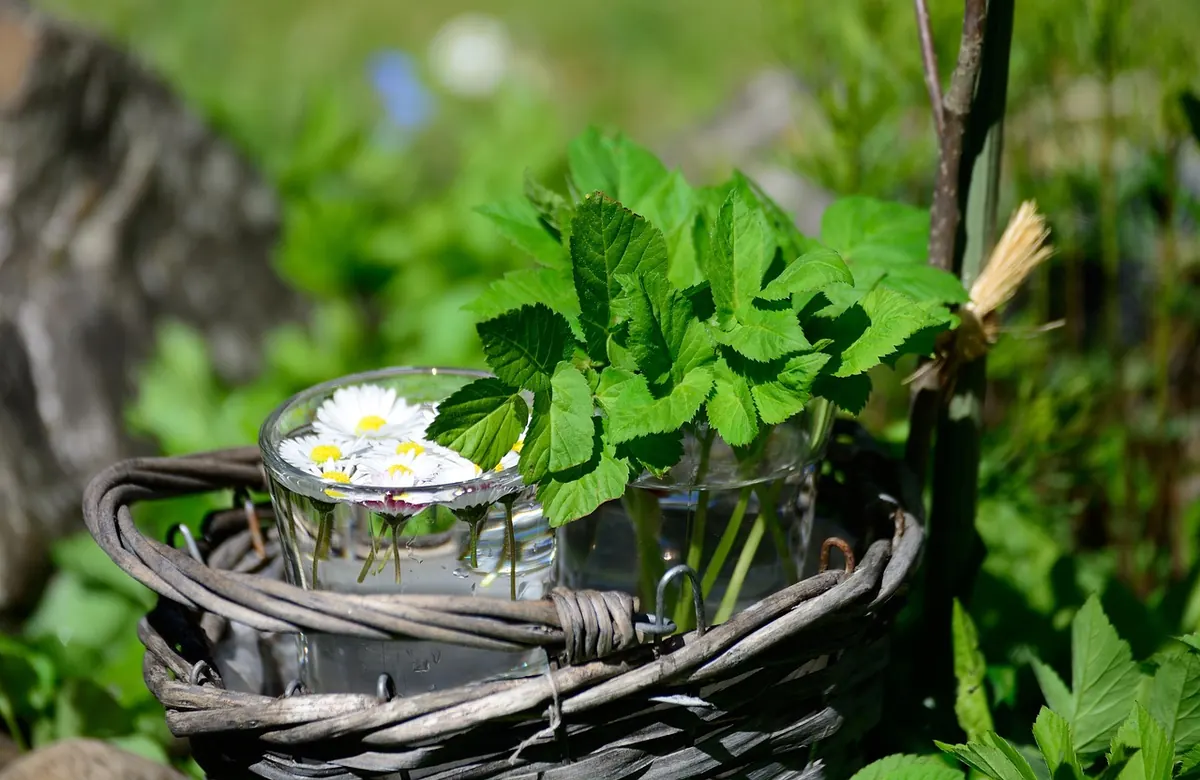
The first warm week of spring makes the woods look like a salad bar. Nettles push through the leaf litter, wild garlic carpets the shade, and every path seems to be lined with something edible. That abundance is exactly what gets beginners into trouble. Foraging rewards patience more than enthusiasm, and the mistakes below are the ones that turn a pleasant morning into a wasted harvest—or worse.
Picking Before You Can Identify With Certainty
The most common mistake is also the most understandable: heading out with a bag before you can identify a plant with confidence. A photograph on a phone screen is not enough. Neither is one matching leaf. Wild plants vary with age, soil, light, and weather, and the plants growing beside them can confuse the picture.
Build an identification from several features at once: leaf shape and arrangement, stem shape, the way the plant grows from the ground, habitat, season, and smell. Learn the common and Latin names, because local nicknames cause endless mix-ups. Use two reliable sources—a good field guide and a person who knows the ground—and start with a small number of easy, abundant species such as nettle, dandelion, or wild garlic.
Smell is a clue, not a verdict
Wild garlic’s scent is a useful signal, but it is not a guarantee. The plant can grow among other woodland species, and every leaf in your basket needs checking, not just the patch as a whole. The carrot family is another group to treat with real caution: it contains good edible plants and some dangerous lookalikes, and beginners should leave that family alone until they have been shown the differences in person. If you cannot name the plant with confidence, leave it. There will be another patch, another week.
Foraging in the Wrong Place
A lush verge beside a busy road is not a clean harvest. Roadside plants collect dust, exhaust residue, and runoff, and the ground may have been treated with herbicides. The same goes for parks, playing fields, and amenity land where maintenance crews work. Dog-walking spots bring their own obvious risks, and old industrial ground can carry contaminated soil.
Look for quiet edges: a clean hedgerow away from traffic, a friend’s untreated garden, a woodland path with permission. Ask before you pick on private land, and check local rules for commons, nature reserves, and protected sites. If the land feels questionable, the harvest is questionable too. Leave it and find a better spot.
Assuming “Wild” Means “Safe to Eat Raw”
Edible is not the same as edible for everyone, in any amount, at any stage of growth. Some spring greens are pleasant raw when young; others are better blanched, cooked, or used sparingly as a flavouring. Nettles need heat to lose their sting. Elder leaves and shoots are not a salad ingredient. A plant that is safe in a small cooked portion may upset your stomach if you eat a bowlful raw.
Start with small amounts, one species at a time, and pay attention to how you feel. Wash everything well. If you are pregnant or breastfeeding, managing a medical condition, taking medication, or have a history of allergies, speak to a qualified healthcare professional before adding wild plants to your diet. Do not use foraged plants as medicine unless you are working with someone properly qualified.
Cooking is not a universal safety switch
Heat makes some edible greens more digestible and more pleasant. It does not turn a toxic plant into food. Identification still comes first.
Harvesting Like a Thief Instead of a Gardener
A patch that looks endless can be fragile. Beginners often strip a stand because they have found “a good spot,” then return a week later to bare stems. Sustainable harvesting is not complicated, but it does require restraint.
- Pick only from abundant stands, and leave at least two-thirds of each patch untouched.
- Take leaves and young tips rather than pulling roots.
- Leave flowers and seed heads so the plant can reproduce.
- Move between several patches instead of hammering one.
- Use sharp scissors or a knife; torn stems invite disease and waste energy.
- Avoid rare or slow-growing species, even if they look plentiful.
- Watch your feet. Compacted soil and crushed seedlings do more damage than a small harvest.
Take less than you think you need. A modest bag of nettle tops or wild garlic leaves is usually plenty for a meal, and the patch will recover faster.
Treating the Bag as a Storage Unit
Spring greens wilt quickly. A plastic bag left in a warm car turns a fresh harvest into a sweaty, slimy mess. Use a basket, a cotton tote, or a paper bag with room to breathe. Keep the harvest cool and shaded on the way home, and process it the same day if you can.
Sort as you go. Remove wilted leaves, grass, and anything you cannot identify with certainty. Wash in cold water, dry gently, and store in the fridge wrapped in a clean cloth. If the greens are meant for cooking, blanch and freeze what you will not use within a day or two. Good handling is part of good foraging; it protects flavour and reduces waste.
Ignoring Permission, Rules, and Local Etiquette
Land that looks empty still belongs to someone or is protected for a reason. Rules vary widely, so check with the landowner or local authority if you are unsure. Some places allow picking for personal use; others prohibit it entirely. Digging up plants is almost always a bad idea, and it is often illegal.
Good etiquette matters too. Close gates, keep dogs under control, do not block paths, and do not pick in front of children who are being taught to leave wild things alone. A quiet, respectful forager is welcome back. A careless one spoils access for everyone.
A Calm First Spring Harvest
Start with three plants you can identify reliably, and learn them well. Choose a clean, permitted spot. Harvest lightly, keep the bag cool, and cook or preserve the greens promptly.
- Check the identification twice before you pick.
- Ask permission or confirm local rules where needed.
- Take a small amount from a healthy, abundant patch.
- Handle and store the harvest the same day.
If a question about health, medication, or local rules is nagging at you, ask a qualified professional rather than guessing. The best spring foraging is modest, well informed, and easy to repeat next year.
Photo: congerdesign / Pixabay